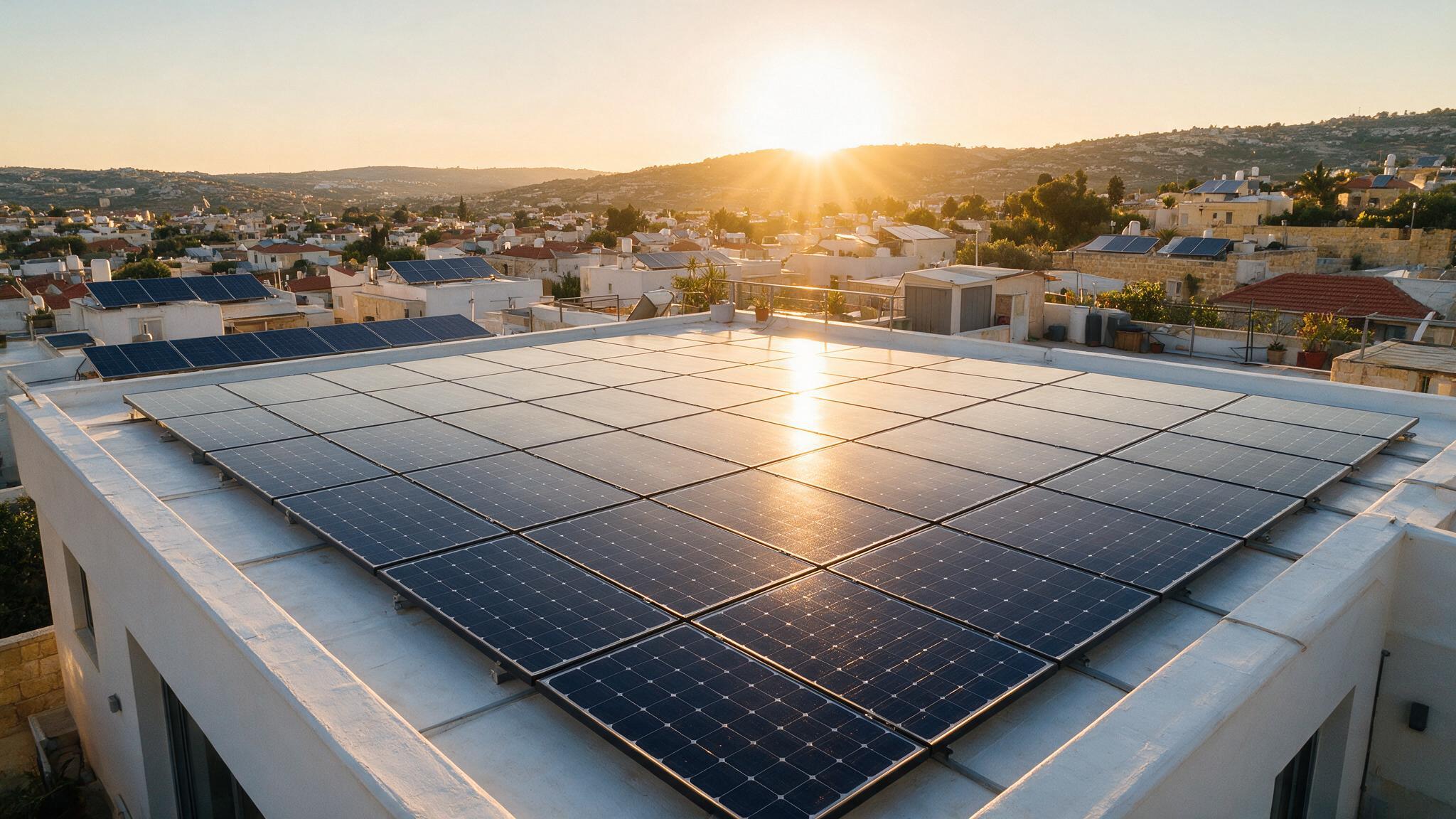
Israel has NO dedicated "energy community" framework. Unlike the EU, where most member states legislated rules letting tenants and communities form collectives that share solar power, Israel has no such regulation yet. Current legal reviews of the renewable-energy sector state plainly that there is no defined framework for "collective self-consumption" or for sharing generation among several separate consumers, and that even micro-grids remain only partially regulated.
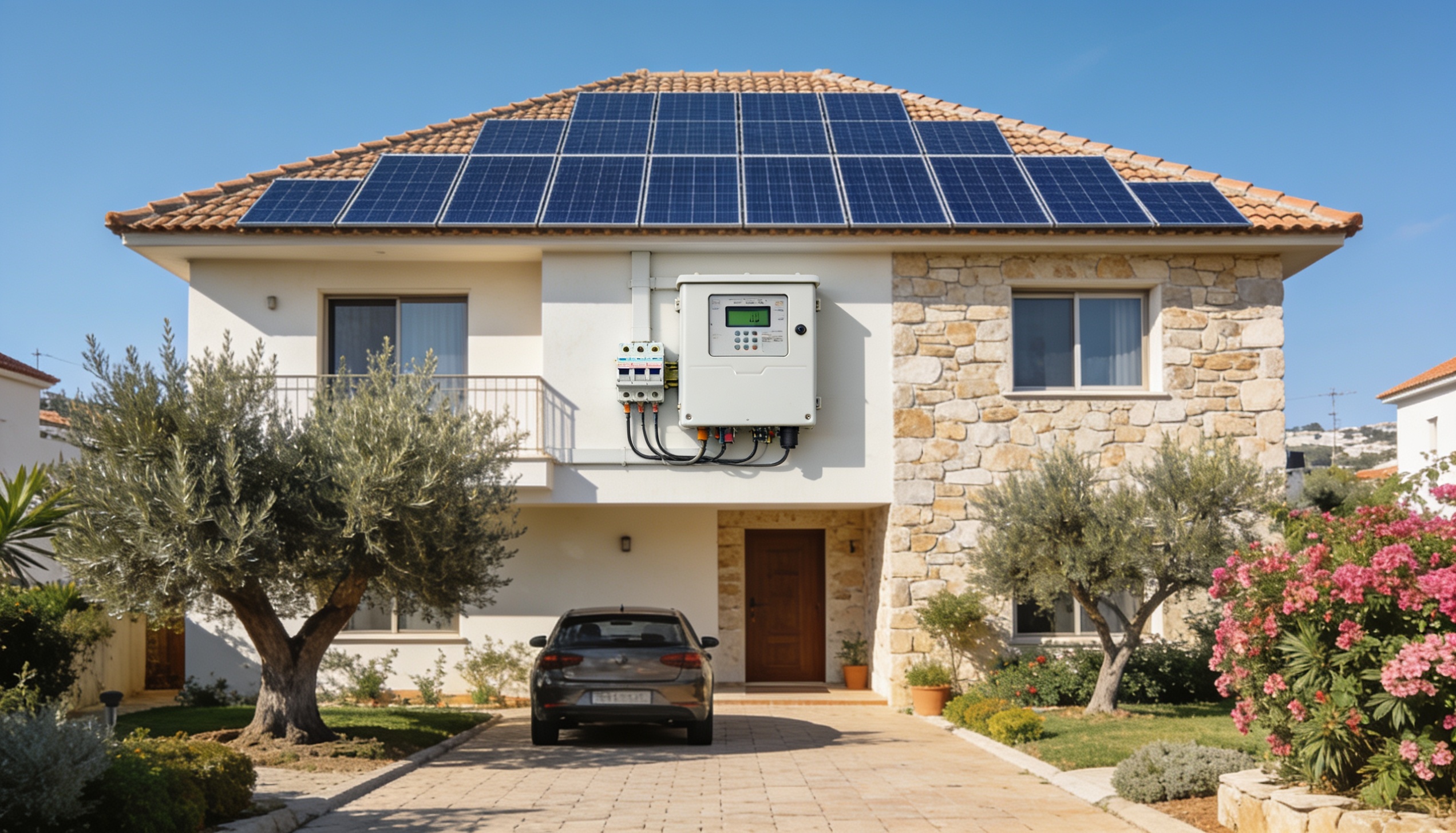
Net metering (mone neto) is per-consumer, not communal. The main self-consumption mechanism in Israel is net metering: a system on a single service point offsets that consumer's own consumption via a bidirectional meter. There is currently no official mechanism transferring a generation credit from one consumer to a neighbour's or another tenant's account. Any attempt to "split" generation across apartments with separate meters runs into the fact that each apartment is connected to the grid separately - which complicates and inflates the cost.
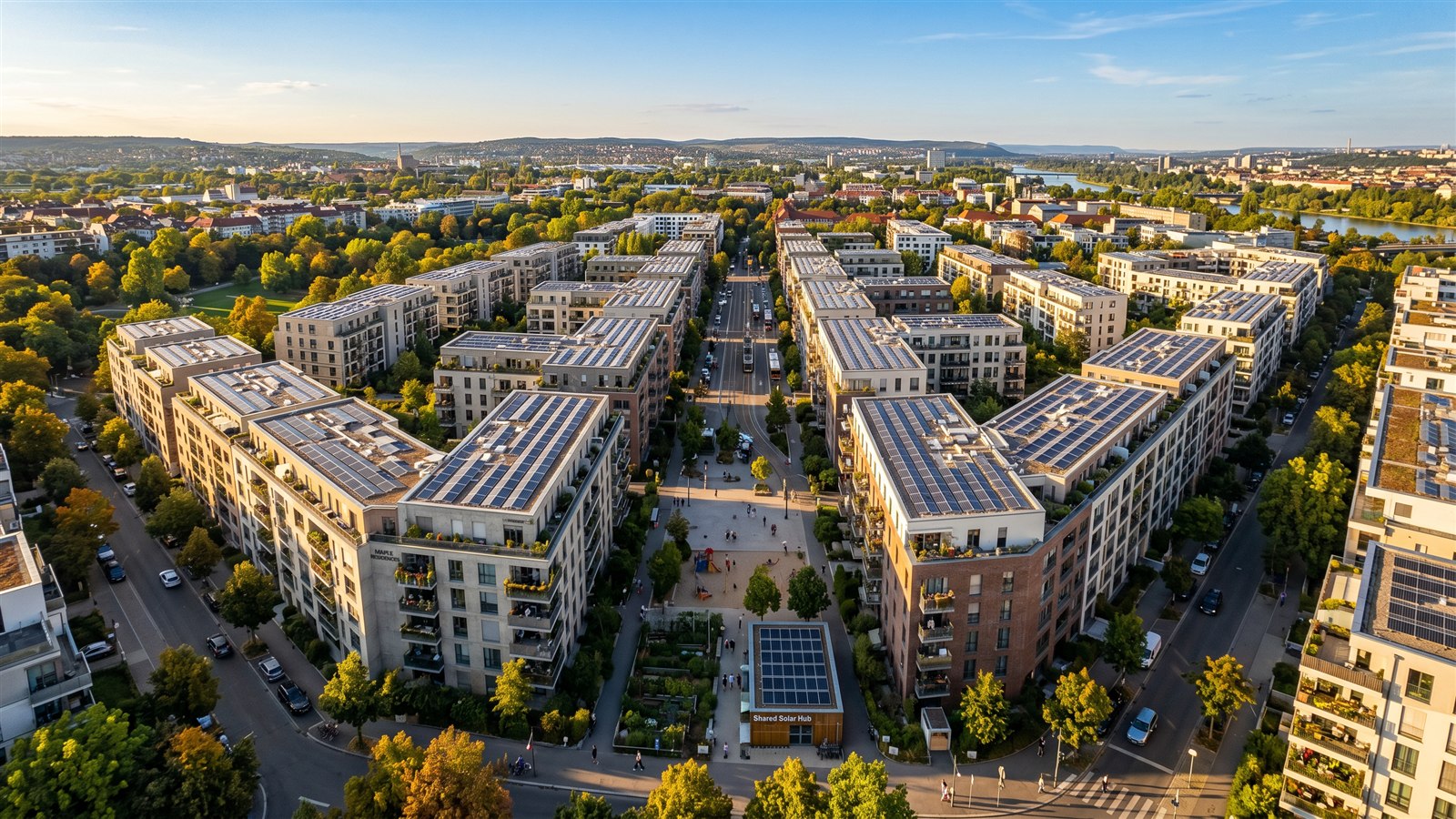
In a shared building, the realistic model is roof leasing and selling to the grid, not splitting kWh among residents. The legal basis exists: a Land Law amendment lets a two-thirds majority of apartment owners decide to install a system on the shared roof. In practice, the common option is for the building to lease the roof to a developer for rent, or to install a shared system that sells surplus to the utility - not direct kWh allocation between apartments. The Electricity Authority itself notes that splitting generation from a shared roof among dozens of separate consumers is a complex, costly procedure.
This is still a very early stage. Until recently almost no shared residential buildings in Israel had a rooftop solar system; the financial press described a situation where only about five shared buildings nationwide had reached that point. A pilot announced by the Ministry of Energy and Infrastructure - five shared buildings in Karkur that jointly signed up to install systems under the "Sun for Everyone" initiative (Israel Energy Forum, KKL and the Ministry of Energy) - was framed as a "breakthrough" precisely because it had barely happened before. In other words, we are at the start of this process, not the end.
What IS possible now - and what the future may hold. Today you can certainly install solar on a shared building or a farm and enjoy income (roof rent / selling to the grid) or savings on the common-property's own consumption. The closest thing to actual "sharing" already operating is in historical distributors - kibbutzim and moshavim that own their internal grid - where private generation feeds the community's consumers, and the Electricity Authority even regulated compensation to the distributor for grid upkeep (implemented from November 2020). A broad "energy community" / virtual-crediting framework is still at the policy-discussion and research stage, not in force. Meniv Energy guides clients through what is permitted and economical today, with no false promises.