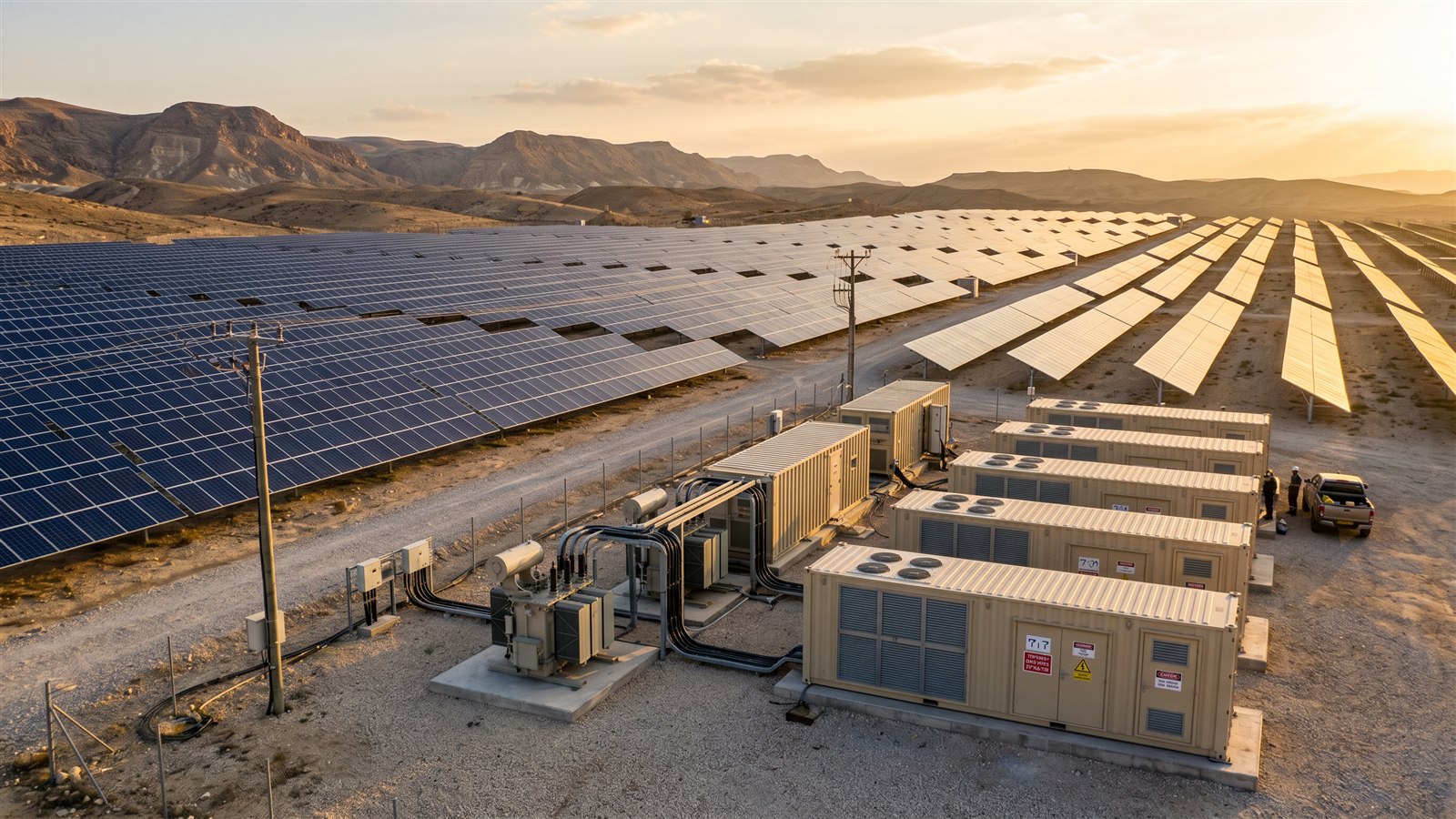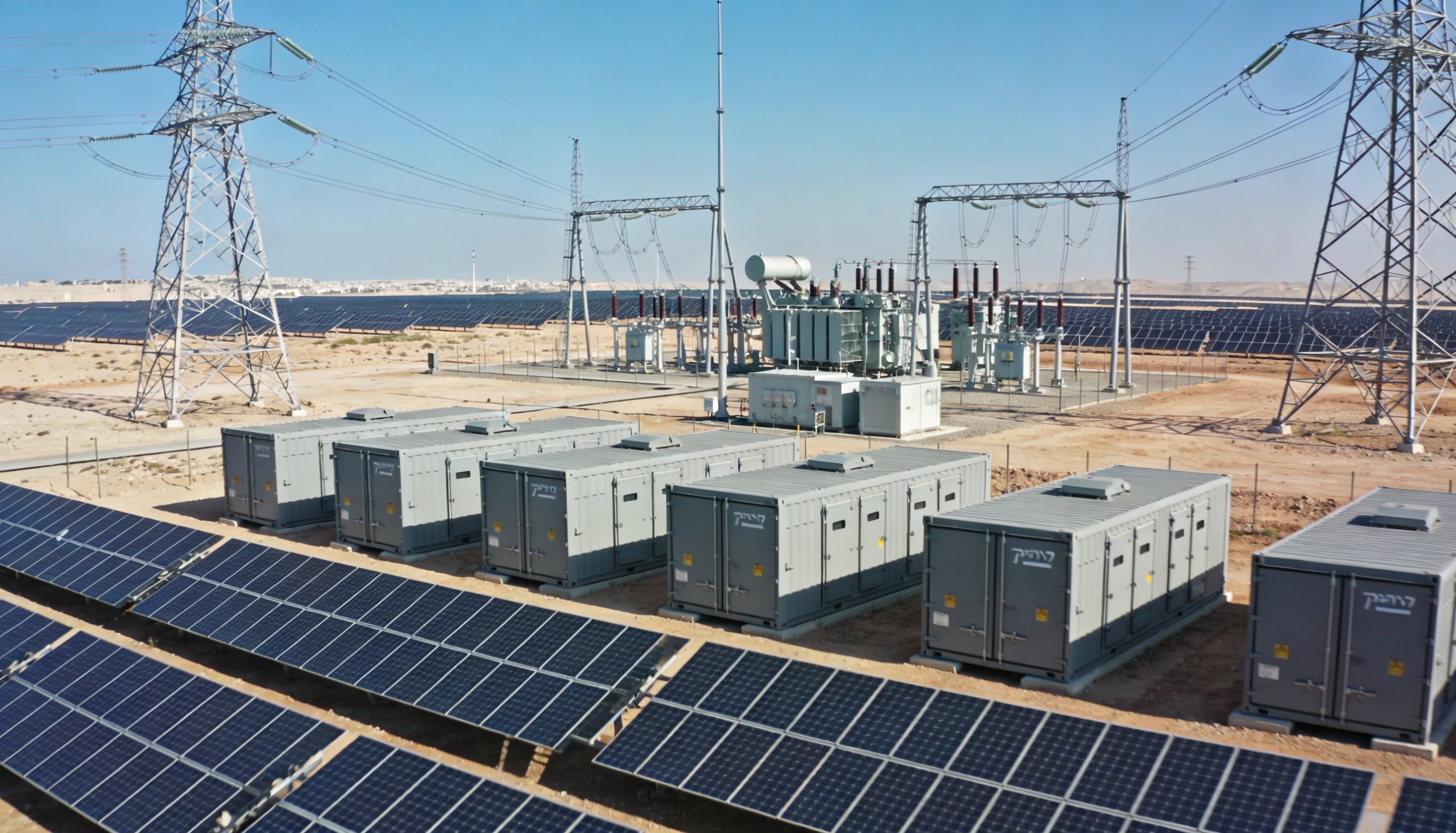
The big storage tender: ~1.5 GW. The standout move of 2025 was a high-voltage standalone-storage tender run by the Electricity Authority through Noga. It drew 11 bidders with about 29 projects totaling ~4 GW, and in February 2025 about 11 projects totaling ~1.5 GW were selected - split between the Western Negev, the North and the Arava, with total investment of roughly NIS 3 billion and a commissioning target of 2027. Winners included Noy, Enlight, EDF and Ormat.
Generation-with-storage (demand hours). Alongside the large tenders, the Electricity Authority incentivizes pairing batteries with solar facilities: those who store electricity during the day and discharge it to the grid in the evening - the demand hours - earn a substantially higher complementary tariff. This model is what makes storage so attractive in commercial and agricultural facilities, and since 2025 small storage systems (up to 600 kWh) are even exempt from a license.
From feed-in to the urban premium. The veteran net-metering arrangement was closed to new entrants and replaced by a feed-in tariff: self-consume most of the electricity, and sell the surplus to the grid at a fixed feed-in rate (on the order of ~48 agorot/kWh for small systems). In about 70 cities an additional 6 agorot/kWh urban premium encourages rooftop installations. Tariffs are updated periodically, so it is important to check the current figure on the Electricity Authority website.
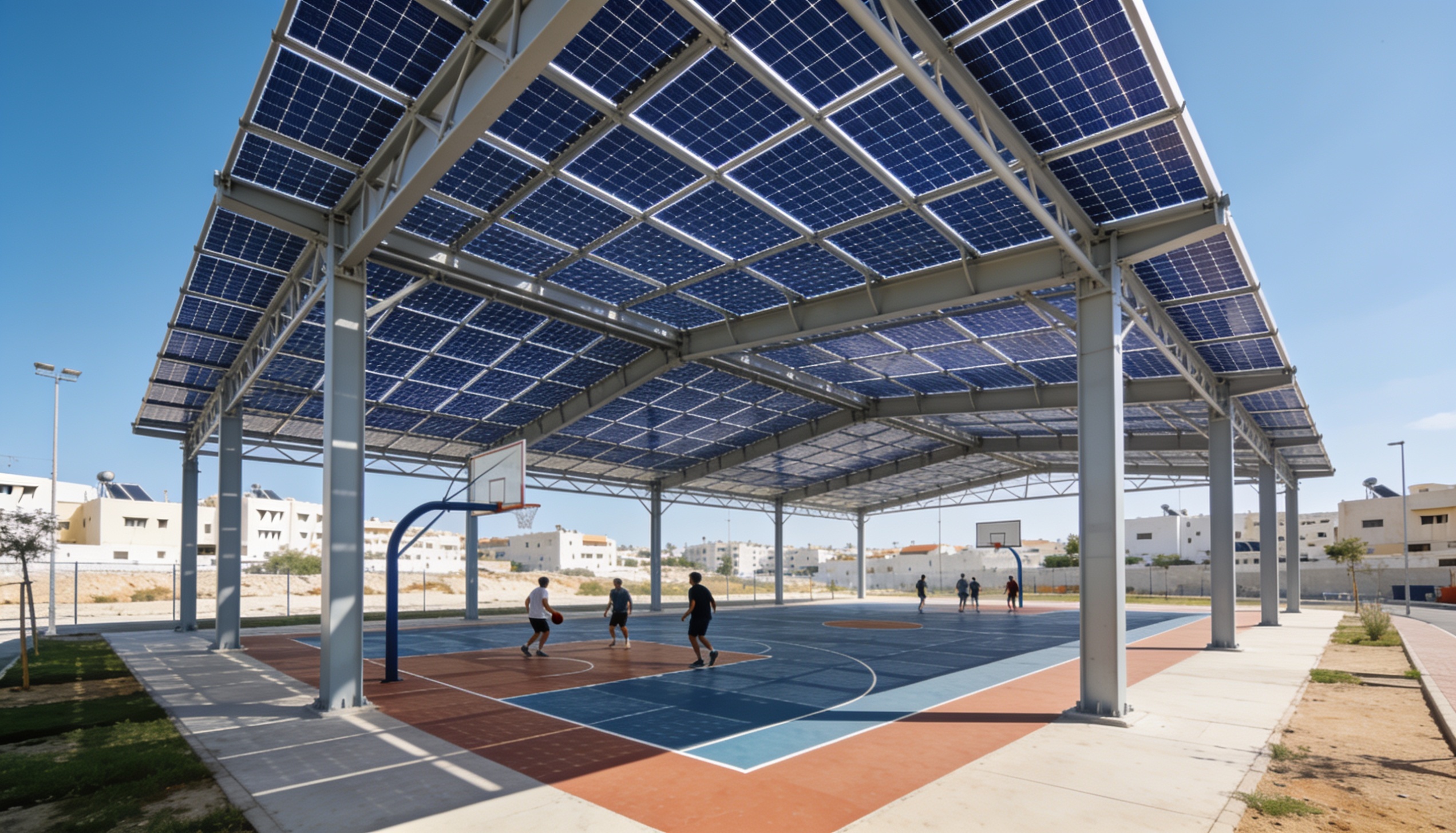
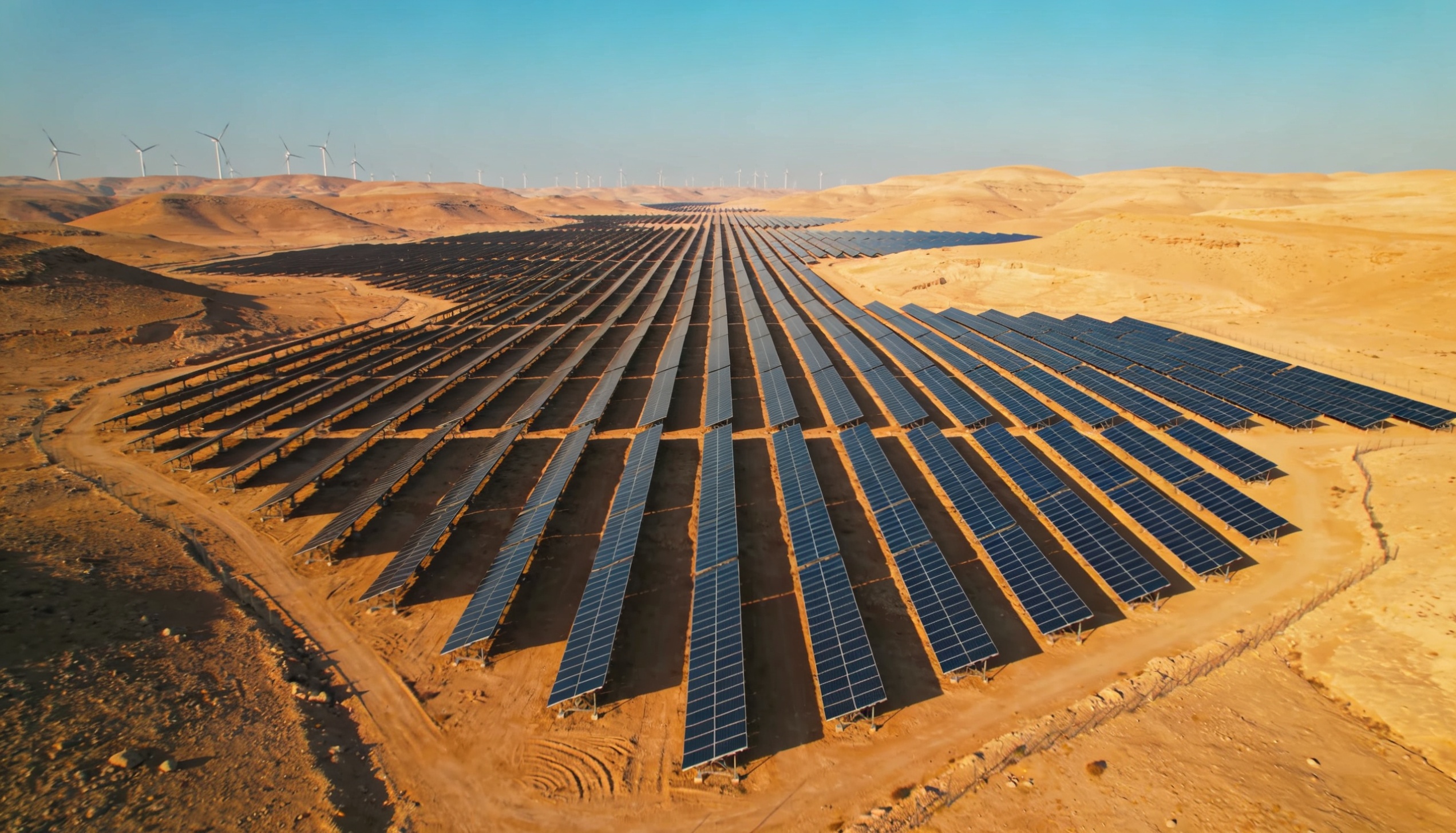
Dual land use: floating PV and agrivoltaics. To avoid competing for open farmland, Israel encourages "dual use": today over 60% of installed solar capacity is dual-use. Initiatives include about 250 MW of floating PV and agrivoltaics in the Arava and Negev, including floating panels on treated-water reservoirs, plus tenders by the Mekorot water company to install systems on reservoirs and structures.
The infrastructure behind it all: grid and smart meters. All of these facilities depend on a grid able to absorb them. The Ministry of Energy is advancing a transmission plan of roughly NIS 17 billion for 2023-2030 - doubling the 400 kV lines and expanding substations - managed by Noga. In parallel, the smart-meter rollout is being accelerated toward 100% by 2028. In 2024 alone about 900 MW of new solar facilities were connected. At Meniv Energy we track the latest tenders and regulations to time each project to the most profitable regulatory window.