The decision: October 2020. On 25 October 2020 the Israeli government approved Decision 465, setting a national target of 30% of electricity generation from renewable sources by 2030. The decision nearly doubled the previous target (17%) and defined an implementation plan of roughly NIS 80 billion over the decade. Interim milestones were set alongside it: 10% by 2020 and 20% by 2025, with natural gas replacing coal to supply most of the balance.
Where we actually stand. As of end-2024 Israel generated about 14.7% of its electricity from renewables - well below the 20% interim target for 2025. An analysis by BDO estimated 2024 at only ~14% (versus ~12% in 2023), with a generation mix of roughly 71% natural gas, 14% coal and 14% renewables. The gap between the declaration and the implementation is one of the electricity sector's central challenges.
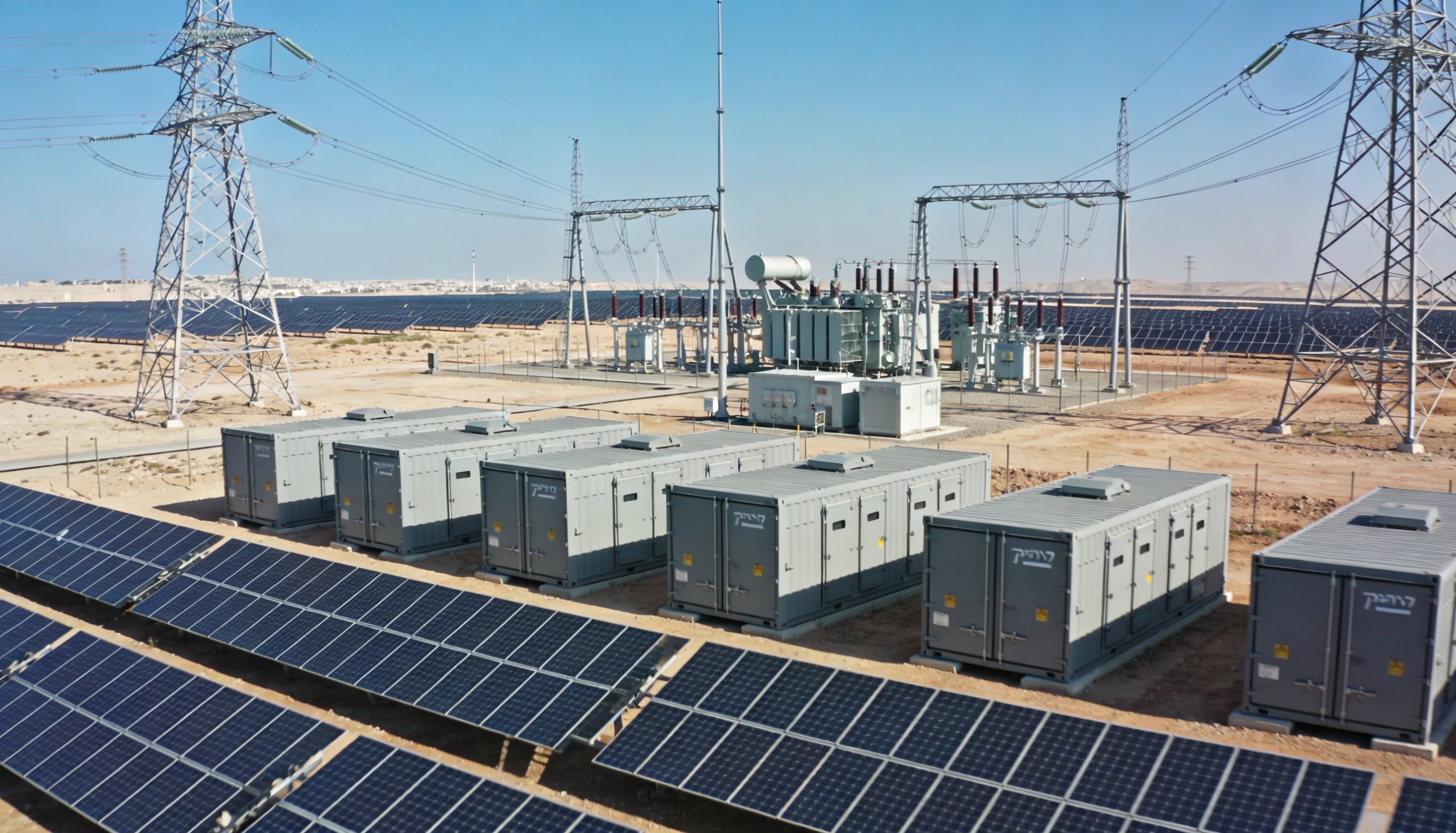
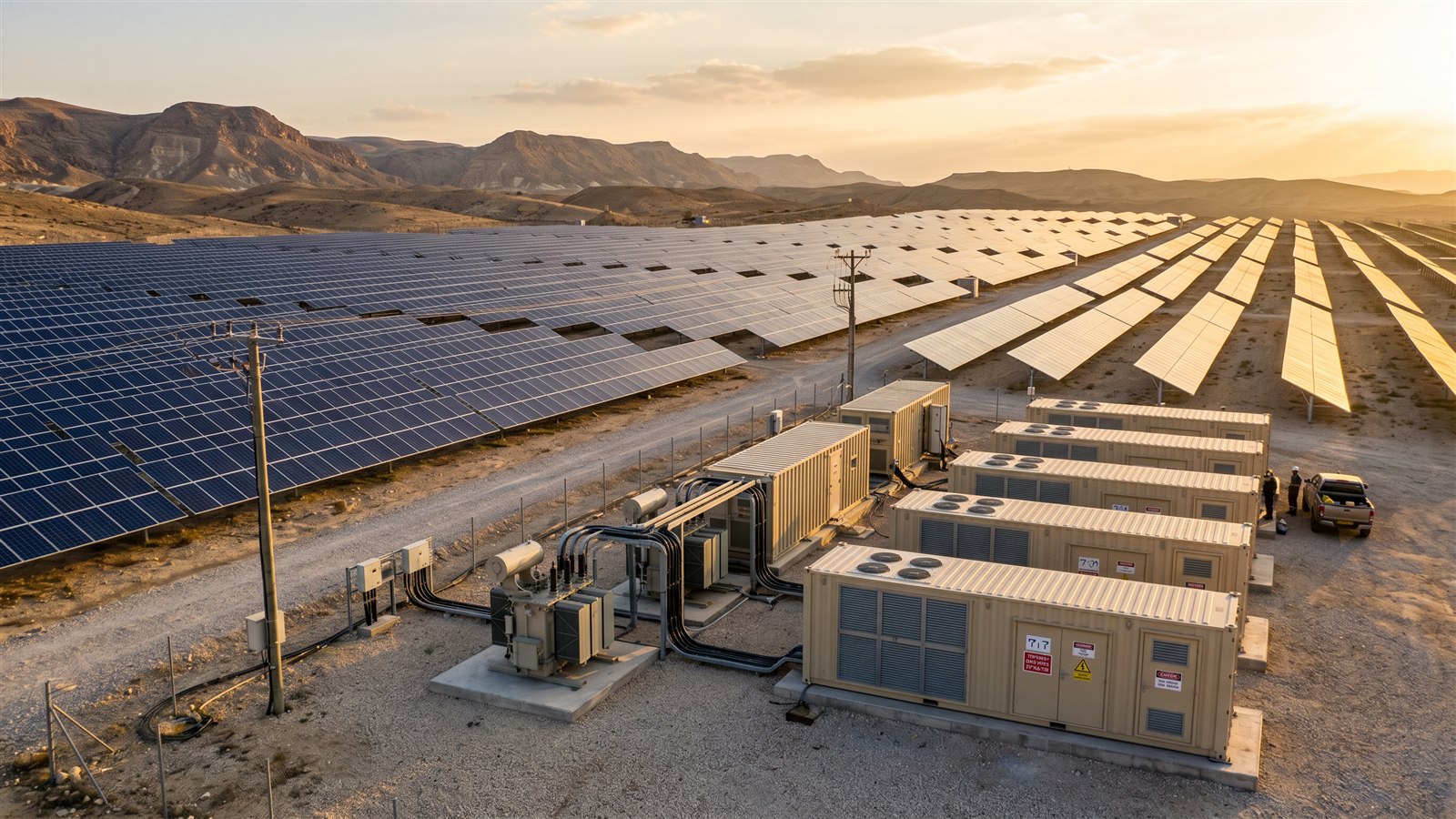
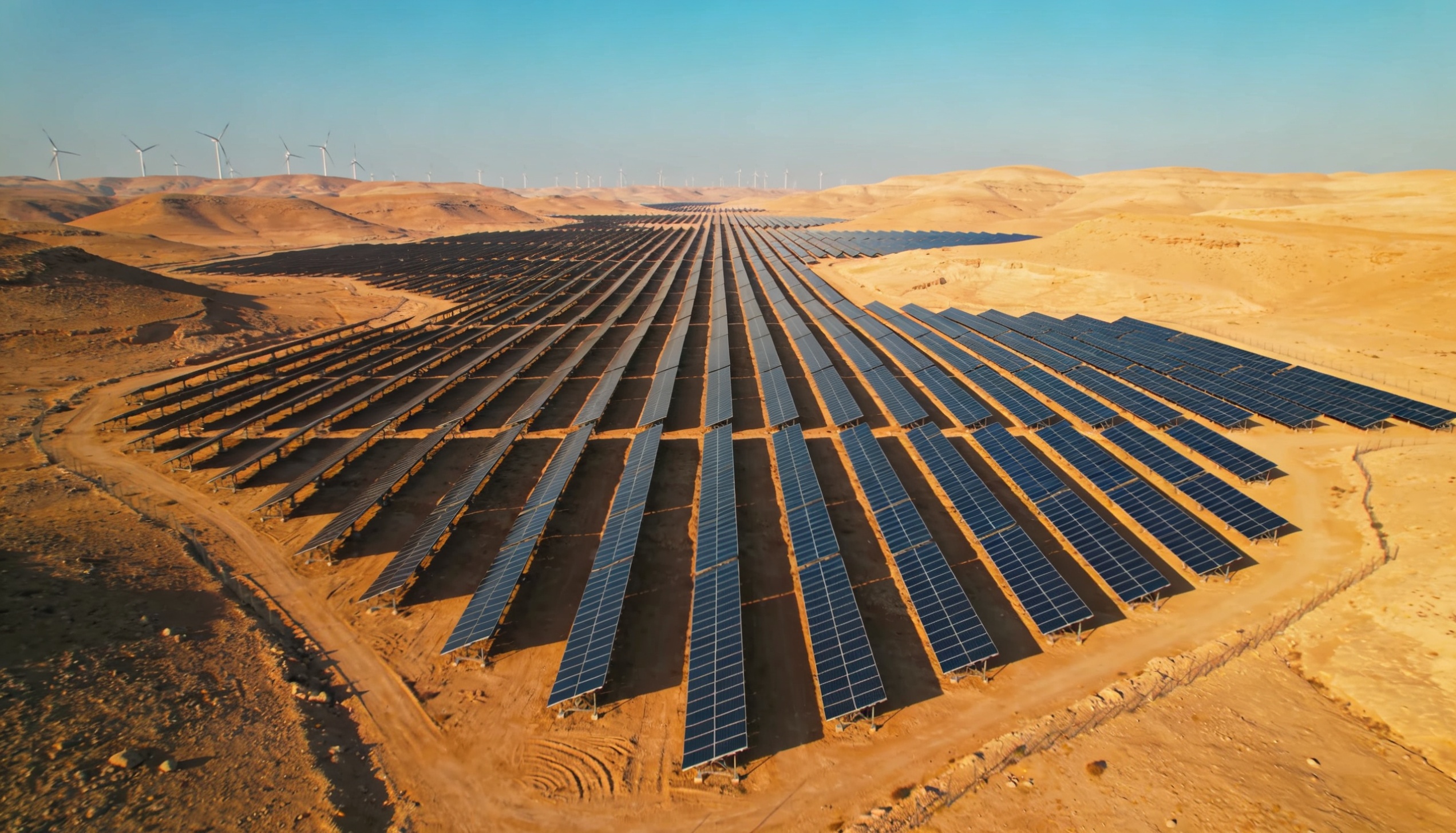
Solar is the engine - storage is the bottleneck. Almost all of Israel's renewable energy is solar. The Electricity Authority and Ministry of Energy roadmap targets roughly 17 GW of installed solar capacity by 2030 - double the ~7.5 GW today. But solar generation is concentrated in daytime hours while peak demand is in the evening. The target therefore depends on a dramatic expansion of energy storage - from about 300 MW at the start of the decade to roughly 3 GW by 2030.
A broader target: net-zero by 2050. The 2030 target is part of a wider commitment. At the COP26 climate summit (2021) Israel declared a net-zero carbon target by 2050, and Government Decision 171 set emission cuts of 27% by 2030 and 85% by 2050 relative to 2015. Three bodies lead implementation: the Ministry of Energy and Infrastructure (policy), the Electricity Authority (tariffs, quotas and tenders), and Noga - the electricity system operator (grid planning and connecting generators).
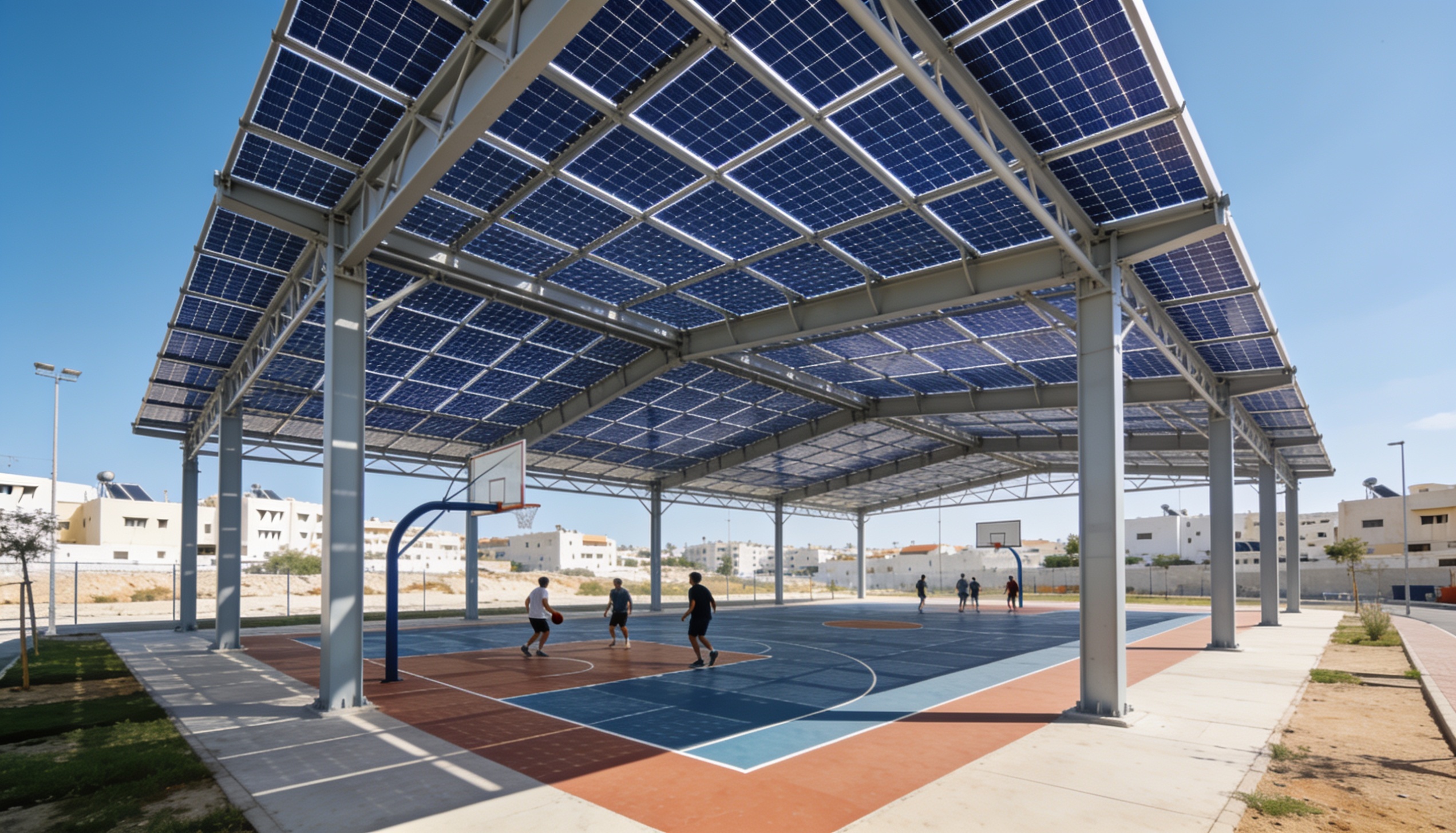
What it means for you. The national target is not an abstract declaration - it is the engine behind every new regulation in the electricity sector: mandatory solar in new construction (Form 4), the urban premium, opening Helka A to farmers, and the feed-in tariff arrangement for selling electricity to the grid. All of these are meant to close the ~15% gap by the end of the decade - which makes 2026-2030 a window of opportunity for owners of rooftops, agricultural land and businesses. At Meniv Energy we map, for each client, which arrangement serves them and how to leverage the national target for the best return on investment.