When homeowners consider a rooftop solar system, one recurring concern is radiation - especially in families with children. That is a legitimate concern, but it is important to separate two completely different kinds of radiation. Ionizing radiation (such as X-rays and gamma rays) is the kind that damages living cells - and a solar system emits none of it whatsoever. The only type relevant here is non-ionizing, extremely-low-frequency (ELF) radiation - the same kind that accompanies every electrical appliance in the home, from the fridge to the television.
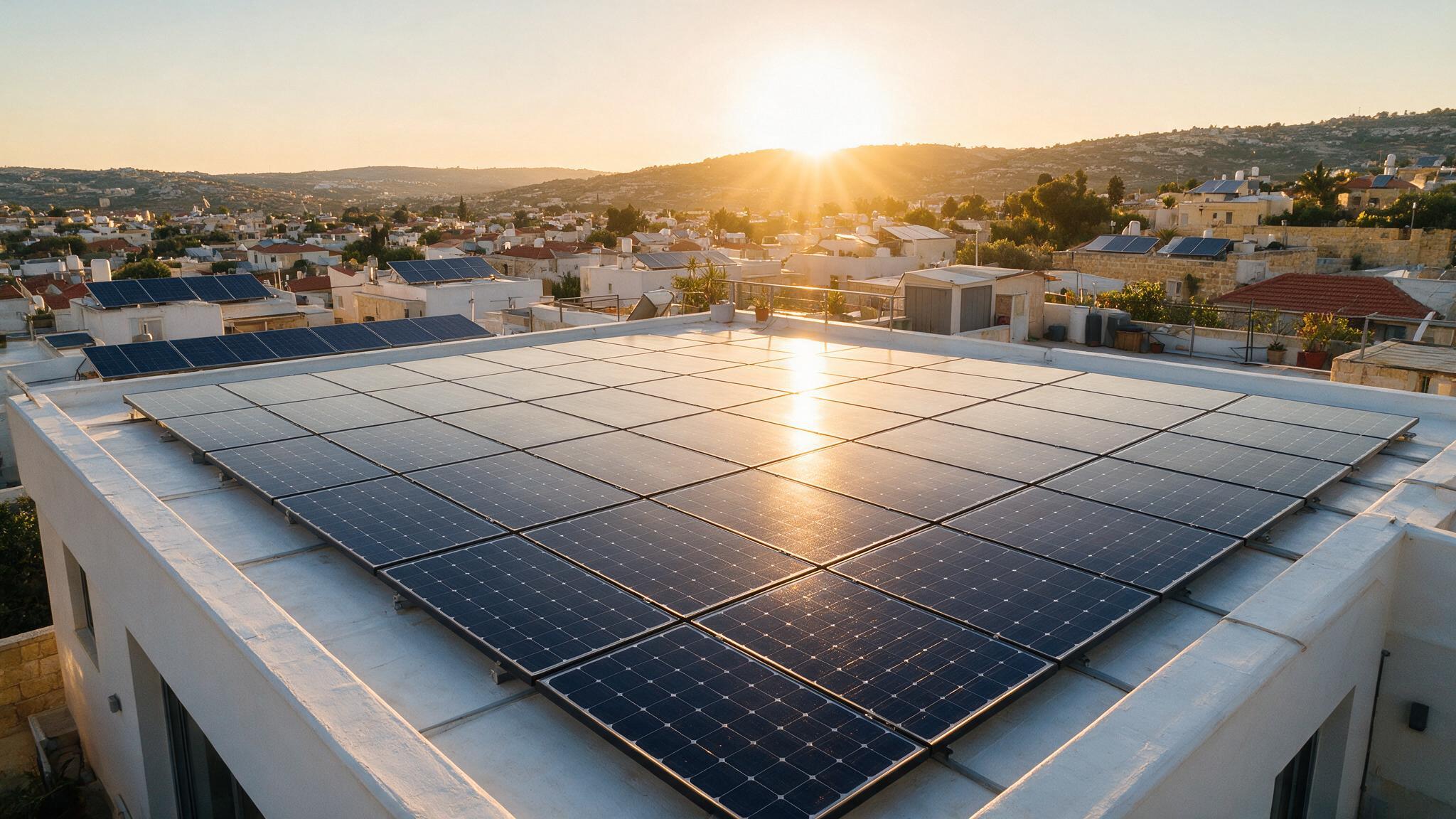
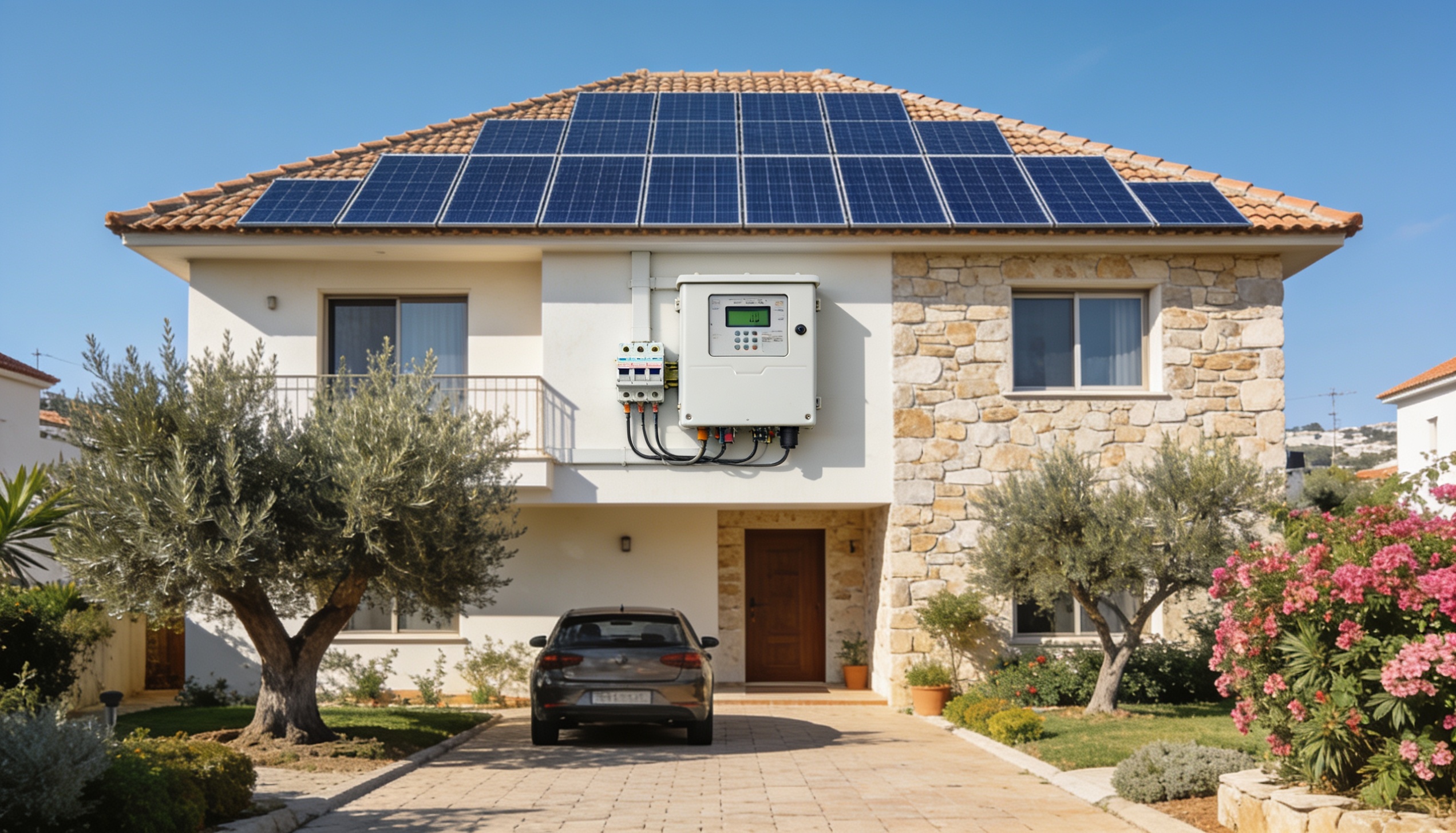
Where does the radiation in a solar system actually come from? A system has three main parts: (1) the panels on the roof, which convert sunlight into direct-current (DC) electricity - a passive component that produces almost no electric or magnetic field; (2) the inverter, which converts DC into alternating current (AC) at the grid frequency (50 Hz) - and this is the main source of the non-ionizing field; (3) the cables that carry the current to the electrical panel. In other words, the panels themselves - the large, visible component on the roof - are actually the 'quietest' part when it comes to radiation.
The position of Israel's Ministry of Environmental Protection. The Ministry explicitly determined that the non-ionizing radiation emitted by a rooftop photovoltaic installation generating up to 1 MW meets its maximum-exposure recommendations - provided the inverter is installed at least 4 meters away, and the AC cables at least half a meter away, from areas where people are regularly present. In other words, with proper placement of the inverter, the system does not raise the radiation level inside the home.
Including schools and kindergartens. The radiation question was examined in depth when the state began encouraging solar installations on the roofs of educational institutions. The Ministry of Environmental Protection's position was unequivocal: installing and operating solar systems on the roofs of educational institutions, in accordance with the professional requirements, does not endanger the health of the students and teachers. If that holds for a school roof with hundreds of children beneath it, it certainly holds for a private home.
What does the World Health Organization (WHO) say? The WHO has reviewed decades of research on low-frequency electromagnetic fields, and the consistent conclusion is that exposure below the threshold set in the international ICNIRP guidelines has no known health consequence. The ICNIRP guidelines (International Commission on Non-Ionizing Radiation Protection) are the standard that health authorities worldwide - and in Israel - rely on.
What did field measurements find? Field studies that measured real photovoltaic systems - including large commercial installations - found that the electric-field strength at the boundary of the panel array, and near the inverters, was not elevated above ordinary environmental background, and stayed well below the ICNIRP and IEEE guidelines. The Australian Radiation Protection agency (ARPANSA) reached the same conclusion.
So what distance are we actually talking about? The crucial point is that low-frequency fields fall off astonishingly fast with distance - much faster than people imagine. The strongest field is right up against the inverter, and within just about 4 meters of it the field drops back to the ordinary environmental background of the home - the same level that already exists in every room from the existing wiring and appliances. In other words, this is not a "field" that fills the house; it is a very local point around the inverter. That is exactly why the Ministry of Environmental Protection guideline is simply to keep the inverter 4 meters from regularly-occupied areas: 4 meters is all it takes for exposure to become completely negligible.
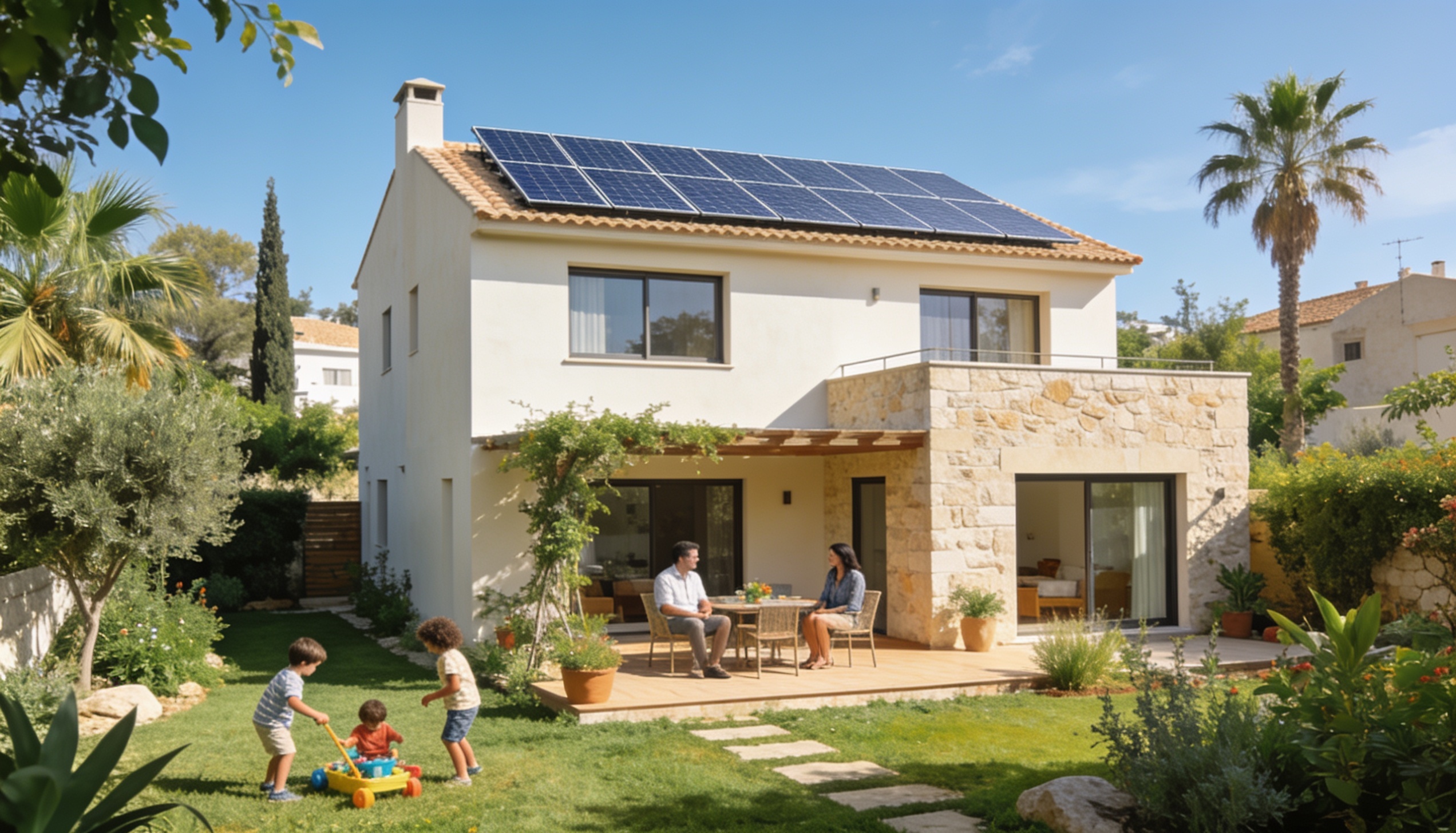
Bottom line. A properly designed and installed residential solar system poses no health risk. The only radiation involved is non-ionizing and low-frequency, comes mainly from the inverter (not the panels), drops back to background within about 4 meters, and every regulatory body - the Ministry of Environmental Protection, the WHO and ICNIRP - agrees that at these levels there is no known health risk. At Meniv Solar we plan the placement of the inverter and cables in line with the Ministry of Environmental Protection guidelines as an integral part of designing every system.
In short: as long as the system isn't sitting one meter above your bed in the bedroom — you'll be perfectly fine.