Background: what is the "system service cost"? Back in March 2022, Israel's Electricity Authority approved an additional tariff for solar owners who self-consume part of the power they generate: a "system service cost" of about 9 agorot per kWh of self-consumed energy, meant to cover the balancing and frequency-management services IEC provides in the background - even when consumption is drawn from your own system rather than the grid. In practice, due to regulatory, operational and IT burdens, IEC never actually billed the charge - until October 2025.
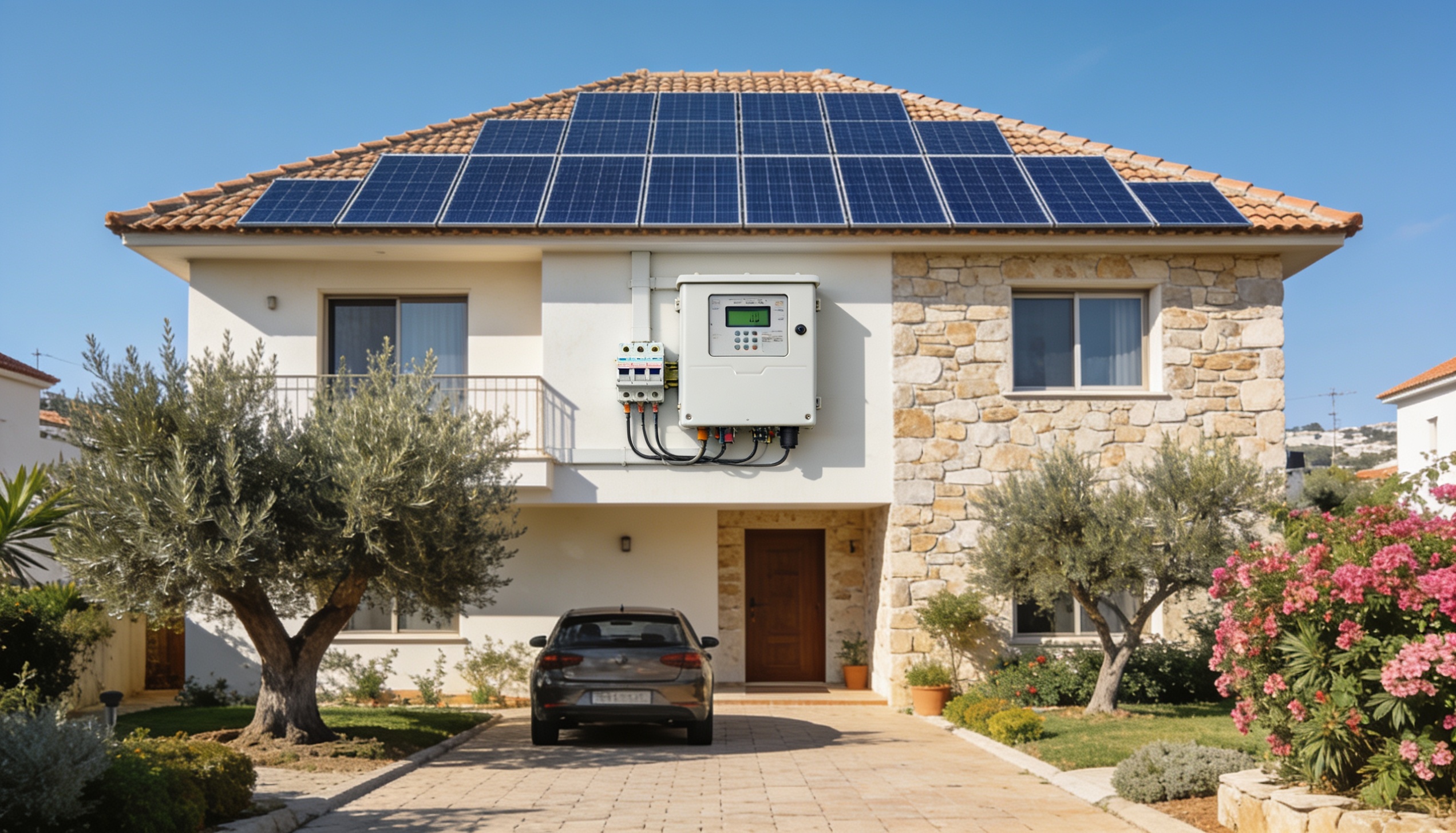
Important to clarify - for most homeowners this simply doesn't apply. Don't worry. The charge applies to self-consumption - meaning older systems under the "net metering" (mone neto) arrangement, where you consume the system's power and offset it against the grid, and large commercial systems. By contrast, a residential system on the green track (feed-in tariff) - today's common residential route - sells all of its production to the grid and buys the home's electricity separately, so there is no offset "self-consumption" and therefore no "system service cost" at all. In other words: if you installed a new home system on the green track in recent years, this story is most likely not relevant to your electricity bill.
Retroactive billing and the backlash. When IEC finally started collecting the tariff, it did so retroactively - up to two years back, as the law allowed. Households received unexpected bills: per Globes reporting, one Herzliya resident faced an ongoing charge of about ₪181 every two months, plus a retroactive bill of roughly ₪2,200 for the two prior years - and some households faced four-figure bills. In total, IEC had planned to collect about ₪65 million in retroactive charges.
The Electricity Authority steps in. Following the media exposure in January 2026, the Electricity Authority ordered IEC to suspend the retroactive collection and investigate why the tariff went unbilled since 2022. IEC's internal review attributed the years-long gap to "human error" stemming from regulatory, operational and IT system burdens.
The outcome: a shorter retroactive window. Following the Authority's intervention, the retroactive billing period was cut from two years to just six months. Households that had solar systems installed before 2025 will still owe a retroactive charge - but in the range of hundreds of shekels, not thousands. Of the amount originally slated for collection, IEC will absorb about ₪22 million, with the remainder spread across the general electricity-consumer base through the standard tariff - rather than falling solely on solar owners.
What this means going forward. It's important to understand: the tariff itself wasn't cancelled - only the retroactive billing was scaled back. The system service cost (about 9 agorot/kWh, with a 12%+ increase reflected in the January 2026 tariff book) continues to apply to self-consumed solar energy going forward. It's a completely separate charge from the export tariff (~48 or 41 agorot/kWh, depending on system size) and the Urban Premium (+6 agorot/kWh) - meaning a self-consumed kWh isn't entirely "free"; it carries an infrastructure cost worth factoring into your ROI math.
What to check. If you already own a solar system, check your latest electricity bill for a "system service cost" line item and confirm it matches the published rate. If you're considering a new installation, ask your installer for a return calculation that includes this cost alongside the sale tariffs - so you get the full picture, not just the headline numbers. At Meniv Energy we build every client a full cash-flow model that accounts for every tariff layer, including the less-talked-about ones.