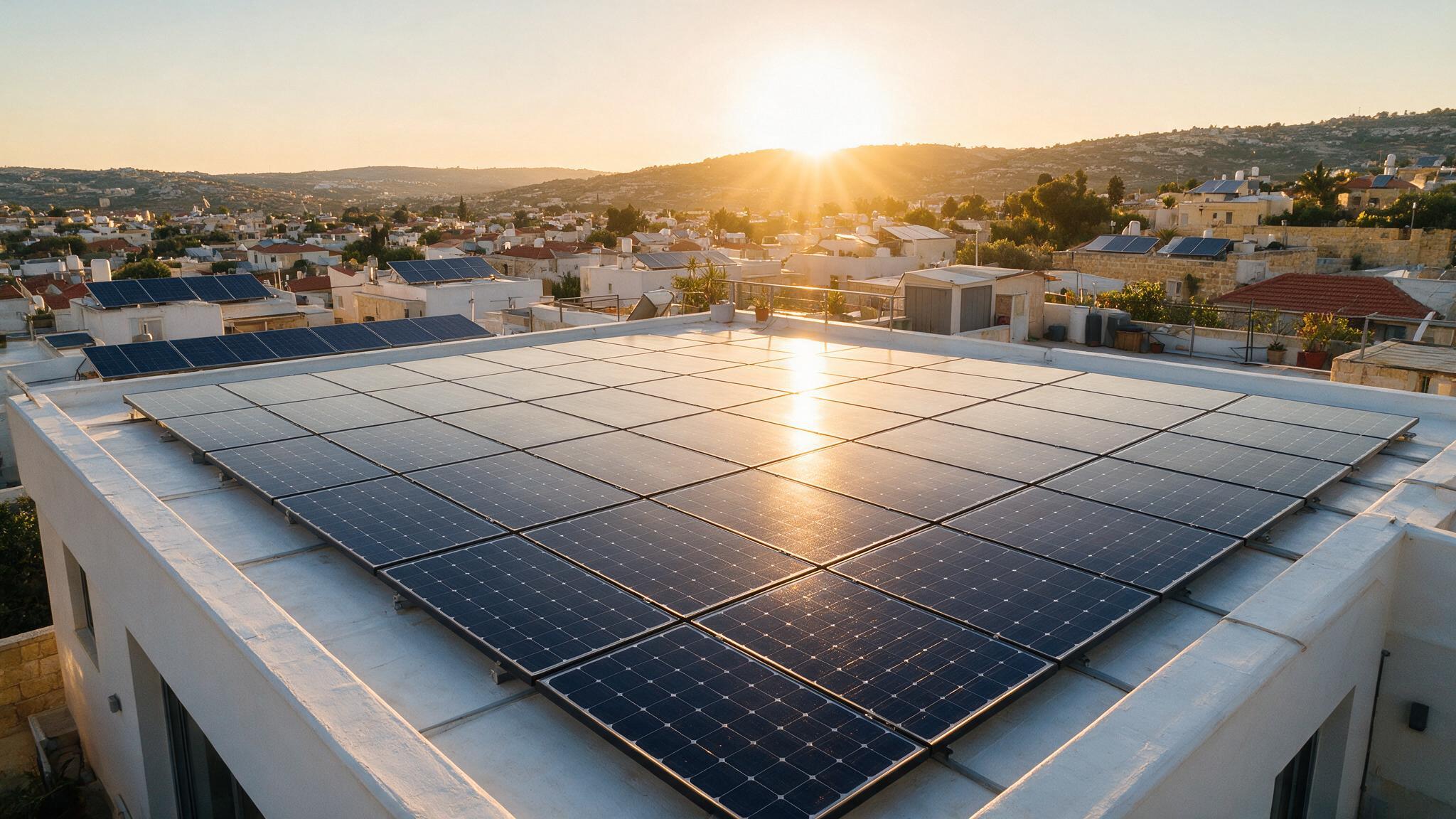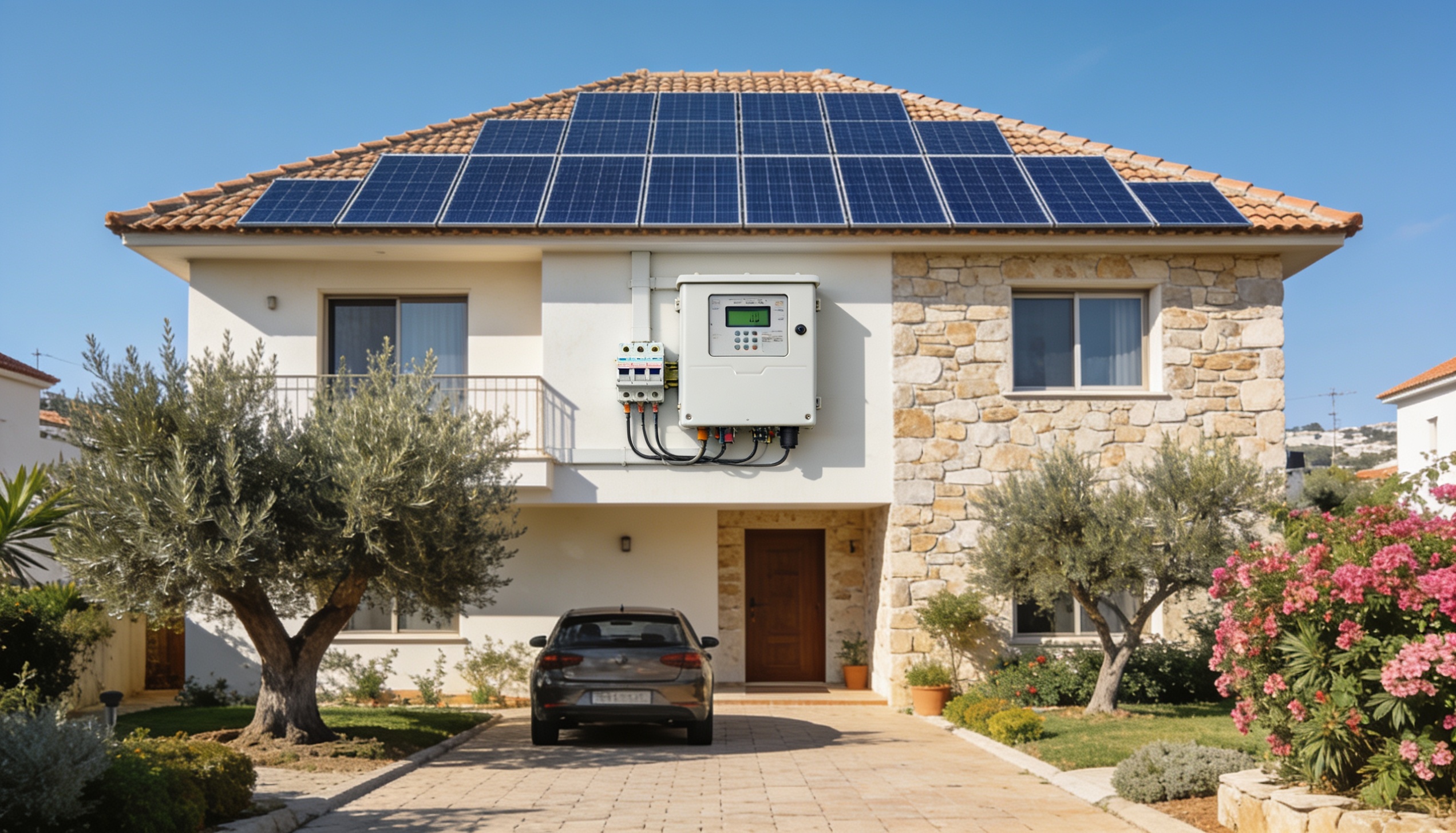
Background - why was this blocked until 2024? Until early 2024 it was almost impossible to install a ground-mounted solar system on Helka A of an agricultural nachala. Helka A (up to 2.5 dunams adjacent to the residential home in a nachala) is regulated as land for uses ancillary to agriculture, and any "non-agricultural" use - including energy - was treated as a deviation. To install a ground system on Helka A required paying conversion levies to the ILA, going through a zoning change, and counting the area against the non-agricultural-use cap. All of which made the project uneconomic for most nachala holders.
The first decision - ILA, March 2024: The Israel Land Council approved a policy amendment that added the installation of a ground-mounted solar system up to one dunam (1,000 m²) as a permitted use on Helka A, without that area counting as non-agricultural use and without a separate conversion levy. The decision was anchored in an amendment to the ILA Agriculture Division directives and paired with a planning amendment (TAMA 10/D/10, section 9.8) that allows a fast-track building permit along the TAMA route, with no need for a new local outline plan.
The second decision - Electricity Authority, Decision 68103 (2024): In parallel with the planning opening, the Electricity Authority set a dedicated tariff arrangement for Helka A installations. The material point: the tariff was set at the rooftop tariff level - not at the lower rate applicable to large ground-mounted installations. That is a precedent - a ground installation receiving a rooftop price. In practice, for a 150-220 kWp system (the typical range for one dunam), this means a tariff around 34-41 agorot/kWh, index-linked, for 25 years, under a direct contract with the utility.
Why this matters - additive to rooftops, not a replacementMaintenance Guide: The up-to-one-dunam envelope on Helka A is a separate allowance from any system installed on the residential home roof or on an agricultural building. A nachala holder who already installed a rooftop system is not blocked from adding a ground installation - they too will enjoy a 25-year tariff, on the same connection or on a new one depending on system size. In effect, two tariff streams at one address.
Storage on Helka A - why it almost always pays off: The most important regulatory tip: a dunam-scale ground installation that generates 250-320,000 kWh per year typically earns a significantly higher complementary tariff during evening hours when paired with a battery and discharged to the grid between 17:00 and 22:00 (the "generation-with-storage" framework). In simple terms: the same kWh sold during the day at ~34 agorot can be sold in the evening at a complementary tariff 3-4× higher. For a dunam-scale system the evening discharge typically contributes 30%-50% of annual revenue. For the full picture of how a storage system works, the tariffs and the regulation - see the full storage guide.
Who qualifies - the basic criteria: Nachala holders in moshavim, ILA agricultural lessees, and farmers with a registered residential plot (Helka A). The plot must be clear of conflicting uses (farm structures, ponds, pergolas). The land must not be in a "stream channel" zoning or in a planning-protected area.
What still needs care? First, the national-quota window - the Electricity Authority manages the framework as an evolving quota ("first come, first served"), so late applications can be rejected even if the plot meets every criterion. Second, projects that require a connection upgrade or moving a high-voltage pole are significantly more expensive - they are still worthwhile but must be priced upfront. Third, the fast-track building permit is conditional on a structural affidavit and full planning data being submitted from day one.
The wider context: This change is part of Israel's push toward a 30%-renewables-by-2030 target, by opening up under-used land that is already grid-connected. It complements the mandatory-solar-in-new-construction law (December 2025) and the Urban Premium (Decision 66406) - three key levers that expand the footprint of distributed PV in Israel. At Meniv Energy we accompany nachala holders and farmers from on-plot feasibility through commercial connection, including end-to-end handling of the paperwork with the ILA, local planning committee, Electricity Authority and IEC.